Our Services
Our Services

14Dec2025
Cardiac Consultation
Cardiovascular consultation is the most important aspect of medical treatment. It is an opportunity for patients to…
Cardiac Consultation: Expert Care for Heart Health
A cardiac consultation is a specialized medical appointment where patients meet with a cardiologist—a doctor who specializes in diagnosing, treating, and preventing heart diseases. During a cardiac consultation, the doctor evaluates the patient's heart health, assesses symptoms, and develops a personalized treatment or management plan. Cardiac consultations are crucial for anyone experiencing heart-related symptoms, individuals with known risk factors for heart disease, and patients seeking ongoing management of existing heart conditions.
When to Seek a Cardiac Consultation
-
Chest Pain or Discomfort: If you experience chest pain, pressure, or tightness, it’s essential to consult a cardiologist. These symptoms could be signs of angina, heart attacks, or other cardiovascular conditions.
-
Shortness of Breath: Difficulty breathing, especially during physical activity or while lying down, may indicate underlying heart problems, such as heart failure or valvular disease.
-
Irregular Heartbeat (Arrhythmia): Palpitations, dizziness, or feeling your heart race or skip beats are common symptoms of arrhythmias, which a cardiologist can diagnose and treat.
-
Swelling in Legs or Ankles: This can be a sign of fluid retention due to poor heart function, commonly seen in heart failure.
-
Family History of Heart Disease: If you have a family history of cardiovascular diseases, it’s important to get regular cardiac check-ups to assess your risk for heart conditions, even if you don’t have symptoms.
-
High Blood Pressure or High Cholesterol: If you have hypertension (high blood pressure) or high cholesterol, which are major risk factors for heart disease, a consultation with a cardiologist can help monitor and manage these conditions effectively.
-
Chronic Conditions: If you have diabetes, obesity, or other chronic conditions, a cardiologist can help you manage heart health to prevent complications such as heart attacks or stroke.
-
Post-Procedure or Surgery Follow-up: After undergoing a procedure like angioplasty, coronary artery bypass surgery (CABG), or valve replacement, follow-up consultations are essential to monitor recovery and prevent future complications.
What Happens During a Cardiac Consultation?
A typical cardiac consultation involves several key steps to assess your heart health:
-
Medical History Review:
-
The cardiologist will ask about your symptoms (if any), family history of heart disease, lifestyle factors (diet, exercise, smoking, alcohol), and any pre-existing medical conditions.
-
They will also inquire about your current medications and any previous cardiac procedures or diagnoses.
-
-
Physical Examination:
-
The cardiologist will perform a thorough physical examination, including checking your vital signs (blood pressure, heart rate, respiratory rate), listening to your heart and lungs, and inspecting for signs of heart-related issues (such as swelling in the legs).
-
-
Diagnostic Testing:
-
Depending on your symptoms and medical history, the cardiologist may recommend one or more diagnostic tests, such as:
-
Electrocardiogram (ECG/EKG): To measure the electrical activity of your heart.
-
Echocardiogram: An ultrasound to visualize the heart’s structure and function.
-
Stress Test: To evaluate how your heart responds to physical activity.
-
Blood Tests: To check for biomarkers that indicate heart damage (like troponin) or to assess risk factors like cholesterol and glucose levels.
-
Cardiac Imaging (CT, MRI, or Angiography): To look for blockages, abnormal heart structures, or damage to the heart muscles.
-
-
-
Risk Assessment:
-
The cardiologist will assess your risk for developing heart disease based on your test results, family history, and lifestyle factors. They will consider various risk factors such as age, gender, smoking, diabetes, and hypertension.
-
-
Diagnosis and Discussion:
-
If a heart condition is diagnosed, the cardiologist will explain the condition in detail and discuss possible treatment options. They will also consider lifestyle modifications and provide guidance on improving heart health.
-
The cardiologist will help you understand the underlying causes of your symptoms and work with you to manage or treat the condition effectively.
-
-
Personalized Treatment Plan:
-
Based on the findings, the cardiologist will suggest a personalized treatment plan. This may include:
-
Medications: For controlling blood pressure, cholesterol, arrhythmias, or heart failure.
-
Lifestyle Changes: Such as diet modifications, exercise plans, smoking cessation, and stress management techniques.
-
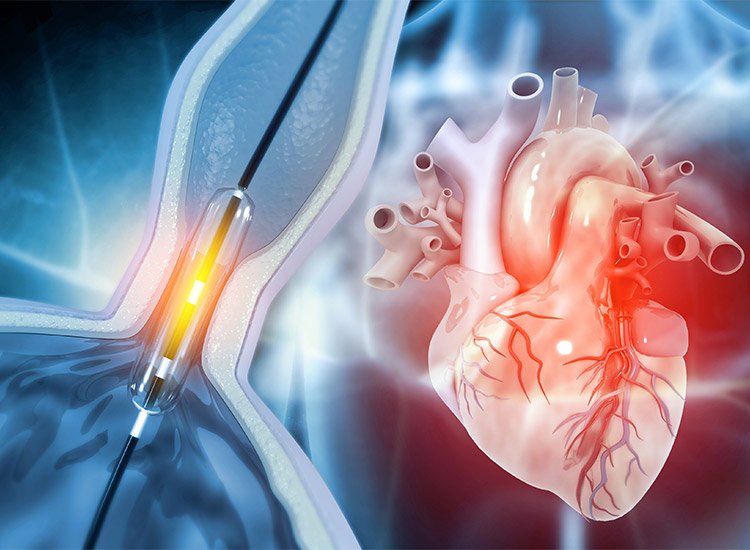
Interventions: In some cases, procedures like angioplasty, stent placement, or surgery may be recommended.
-
-
-
Follow-up:
-
The cardiologist will discuss the frequency of follow-up appointments to monitor your condition, adjust treatment, and track progress. If surgery or a procedure is required, the cardiologist will guide you through the process and recovery.
-
Types of Heart Conditions Managed During a Cardiac Consultation
-
Coronary Artery Disease (CAD): Caused by the buildup of plaque in the coronary arteries, leading to restricted blood flow to the heart.
-
Heart Failure: A condition where the heart is unable to pump blood effectively, often due to weakened heart muscles.
-
Valvular Heart Disease: Problems with the heart’s valves, such as valve stenosis or regurgitation, which affect the heart's ability to pump blood efficiently.
-
Arrhythmias: Irregular heartbeats, such as atrial fibrillation or ventricular tachycardia, which can lead to symptoms like palpitations or dizziness.
-
Hypertension (High Blood Pressure): High blood pressure increases the risk of heart attack, stroke, and heart failure if left uncontrolled.
-
Congenital Heart Defects: Heart problems present from birth, such as septal defects or valvular issues.
-
Pericardial Diseases: Conditions affecting the pericardium (the protective sac surrounding the heart), such as pericarditis or pericardial effusion.
Benefits of Cardiac Consultation
-
Early Detection and Prevention: Regular consultations can help identify risk factors or early signs of heart disease before they lead to serious complications like heart attack or stroke.
-
Personalized Treatment Plans: Cardiologists develop tailored plans that take into account your unique health status, preferences, and lifestyle.
-
Better Management of Existing Conditions: If you already have heart disease, a consultation helps ensure that your condition is being managed effectively to reduce symptoms and improve quality of life.
-
Holistic Care: Beyond diagnosing and treating heart conditions, cardiologists provide guidance on lifestyle changes, stress reduction, and other factors that affect heart health.
-
Improved Prognosis: Timely cardiac consultations improve the likelihood of a better outcome, especially if you have risk factors for heart disease or if you're already experiencing symptoms.
Conclusion
Cardiac consultations are essential for maintaining heart health, diagnosing heart conditions, and ensuring timely interventions. Whether you’re experiencing symptoms like chest pain or shortness of breath, or you simply want to assess your risk for heart disease, consulting a cardiologist can provide critical insights and lead to better health outcomes. By taking proactive steps toward heart health, you can significantly reduce the risk of life-threatening heart problems and enjoy a healthier, more active life.