Our Services
Our Services
14Dec2025
Cardiac Diagnostics
Our Clinical Cardiology team consists of dedicated cardiologists capable to handle any cardiac emergency in the…
Cardiac Diagnostics: Tools and Techniques for Heart Disease Detection
Cardiac diagnostics are essential for identifying, understanding, and managing heart-related conditions. These diagnostic tests help healthcare providers evaluate the function, structure, and health of the heart, enabling early detection of cardiovascular diseases (CVD), which remain the leading cause of death globally. By detecting heart problems at an early stage, cardiac diagnostics play a vital role in preventing severe complications, such as heart attacks, strokes, and heart failure.
Common Cardiac Diagnostic Tests and Procedures
-
Electrocardiogram (ECG or EKG)
-
Purpose: An ECG is one of the most common and non-invasive diagnostic tools used to measure the electrical activity of the heart. It records the heart's rhythm, electrical impulses, and any irregularities in heartbeats.
-
Indications: It is used to diagnose arrhythmias (abnormal heart rhythms), heart attacks, heart failure, and other heart conditions. It can also help determine the size and position of the heart chambers.
-
-
Echocardiogram
-
Purpose: An echocardiogram (echo) is an ultrasound of the heart that uses sound waves to produce real-time images of the heart's chambers, valves, and blood vessels. This test provides valuable information about the heart's size, shape, and motion.
-
Indications: An echocardiogram is used to assess the functioning of the heart valves, detect heart defects, evaluate heart muscle strength, and diagnose conditions like heart failure, valve diseases, congenital heart defects, and pericardial diseases.
-
-
Stress Testing
-
Purpose: A stress test (or treadmill test) evaluates the heart’s response to physical stress (exercise) or pharmacological stress (using medication). During the test, the patient is asked to exercise on a treadmill or stationary bike, or in some cases, medications are administered to mimic the effects of exercise.
-
Indications: Stress testing is typically used to assess coronary artery disease, identify symptoms of chest pain or shortness of breath, and evaluate a patient’s cardiovascular fitness. It is also used to assess the effectiveness of treatments for heart disease and to guide treatment plans for patients with high risk of heart attack.
-
-
Cardiac Catheterization (Angiography)
-
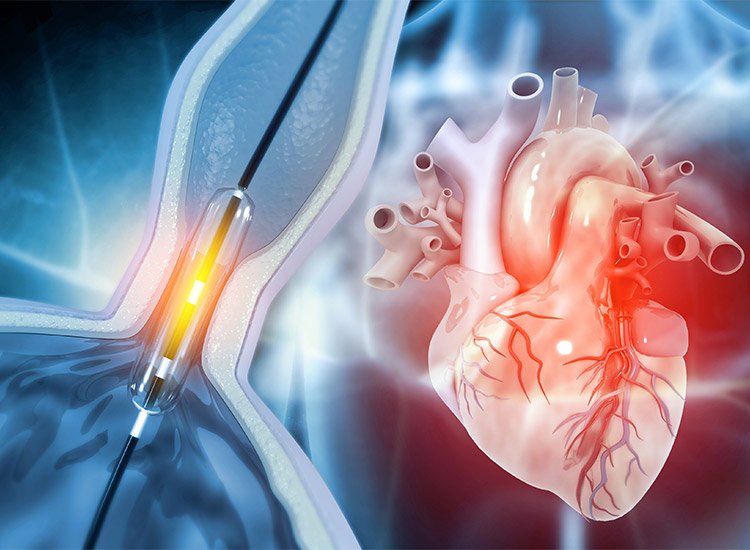
Purpose: Cardiac catheterization is an invasive procedure where a catheter is inserted into a blood vessel and guided to the heart. A contrast dye is injected into the coronary arteries to create detailed images of the blood flow and identify any blockages or narrowing.
-
Indications: This test is used to assess coronary artery disease (CAD), measure heart chamber pressures, and evaluate heart function. It is often used when a non-invasive test like a stress test shows abnormal results, or when a patient presents with chest pain or heart attack symptoms.
-
-
Holter Monitor
-
Purpose: A Holter monitor is a portable device that continuously records the heart’s electrical activity for 24-48 hours or longer. It is typically worn by the patient during daily activities to monitor heart rhythm abnormalities.
-
Indications: This test is useful for diagnosing intermittent arrhythmias that may not appear during a standard ECG. It can help identify conditions such as atrial fibrillation, ventricular arrhythmias, or bradycardia.
-
-
CT Angiography (CTA)
-
Purpose: CT angiography uses advanced imaging techniques, including a computed tomography (CT) scanner, to create detailed images of the coronary arteries and the heart. It requires the injection of a contrast dye into the bloodstream to visualize blood vessels in high resolution.
-
Indications: CTA is commonly used to assess coronary artery disease, aortic diseases, and coronary artery anomalies. It is also used in patients who are at high risk for heart disease or those who have unclear symptoms from other tests.
-
-
Magnetic Resonance Imaging (MRI)
-
Purpose: A cardiac MRI uses magnetic fields and radio waves to create detailed images of the heart. Unlike CT scans, MRI does not involve radiation, making it a preferred option in certain cases.
-
Indications: Cardiac MRI is particularly useful for evaluating heart muscle diseases such as cardiomyopathy, congenital heart defects, and heart inflammation. It also helps in assessing heart function, pericardial diseases, and diagnosing myocardial infarctions.
-
-
Blood Tests for Cardiac Biomarkers
-
Purpose: Blood tests can provide valuable information about heart health by measuring various biomarkers that indicate heart muscle injury, inflammation, and other cardiovascular issues. Key biomarkers include troponin, creatine kinase (CK-MB), B-type natriuretic peptide (BNP), and lipid profile.
-
Indications: Elevated levels of troponin and CK-MB indicate heart muscle damage (e.g., due to a heart attack), while a BNP test helps assess heart failure. Lipid profiles measure cholesterol and triglyceride levels, which are crucial in assessing the risk for coronary artery disease.
-
-
Pulse Wave Velocity (PWV)
-
Purpose: Pulse wave velocity is a test used to measure the stiffness of the arteries, an important indicator of cardiovascular health. A higher PWV indicates stiffened arteries, which is a common feature of aging or atherosclerosis (hardening of the arteries).
-
Indications: PWV testing is often used in assessing arterial health, predicting cardiovascular risk, and evaluating the progression of hypertension or diabetes in relation to heart health.
-
-
Transesophageal Echocardiogram (TEE)
-
Purpose: A transesophageal echocardiogram is an ultrasound procedure where a probe is inserted into the esophagus (the tube connecting the mouth to the stomach) to obtain clearer and more detailed images of the heart's structure.
-
Indications: TEE is used when standard echocardiograms are inconclusive. It helps in diagnosing conditions like valve disease, infective endocarditis, blood clots in the heart, or aortic diseases.
-
Benefits of Cardiac Diagnostics
-
Early Detection: Cardiac diagnostics help identify heart disease and related conditions at an early stage, improving the chances of effective treatment and better outcomes.
-
Personalized Treatment: The results of diagnostic tests allow healthcare providers to tailor treatment plans to each patient, ensuring more targeted therapies and management strategies.
-
Prevention and Risk Assessment: Through diagnostic tools like blood tests, stress tests, and imaging, doctors can assess a patient's risk for heart disease and take preventive measures to avoid severe complications like heart attacks and strokes.
-
Guiding Treatment: Diagnostic tests guide the decision-making process for interventions such as surgery, angioplasty, or medication.
Conclusion
Cardiac diagnostics are an essential part of modern healthcare, providing crucial insights into heart health and helping to detect problems before they become life-threatening. With advances in imaging, monitoring, and biomarker testing, healthcare providers can diagnose, treat, and manage heart disease more effectively than ever before. Early detection and intervention are key to improving the prognosis for patients with cardiovascular conditions, and continued advancements in cardiac diagnostic technologies promise even greater outcomes in the future.